
Product Center
Quick Navigation
Product Center

Looking at electronic supply chain compliance from the "firmware whitewashing" controversy - Ruidingtai Information Technology's insistence on the underlying logic of hardware
Recently, an extremely serious hardware compliance incident broke out in the consumer electronics and PC manufacturing industries. A certain brand of overseas notebook products was found to have tampered with the CPU ID in the underlying BIOS firmware and used old architecture chips to pass off as new-generation processors for sale.
This incident not only triggered an avalanche of trust on the consumer side, but also sounded an alarm within the electronics manufacturing industry chain: When "underlying microcode tampering" replaces substantial hardware iterations, and when the material control (BOM) of the supply chain becomes a piece of paper, where is the bottom line of the industry? As a colleague deeply involved in the development of electronic hardware and underlying systems, Ruidingtai Information Technology believes that it is necessary to re-examine the cornerstone of hardware manufacturing from the professional perspective of engineering technology and supply chain systems.
1. Firmware should not be a "fig leaf" to cover up hardware defects.
From a technical perspective, using microcode or BIOS firmware to modify the CPU logo is not a technical difficulty in embedded and underlying driver development. Such operations should originally serve system debugging, compatibility adaptation, or closed testing of specific instruction sets, rather than for commercial fraud. The engineering team of Ruidingtai Information Technology has always adhered to an iron rule: the optimization of software and firmware is to maximize the physical potential of the hardware, rather than to distort objective hardware parameters. When we conduct motherboard-level development and low-level driver adaptation, we insist on 100% absolute mapping of hardware electrical characteristics and software read information. Any attempt to “confuse a deer into a horse” at the system level is a serious violation of engineering ethics.
2. Reject the “supply chain black box”: build a full-link traceability system
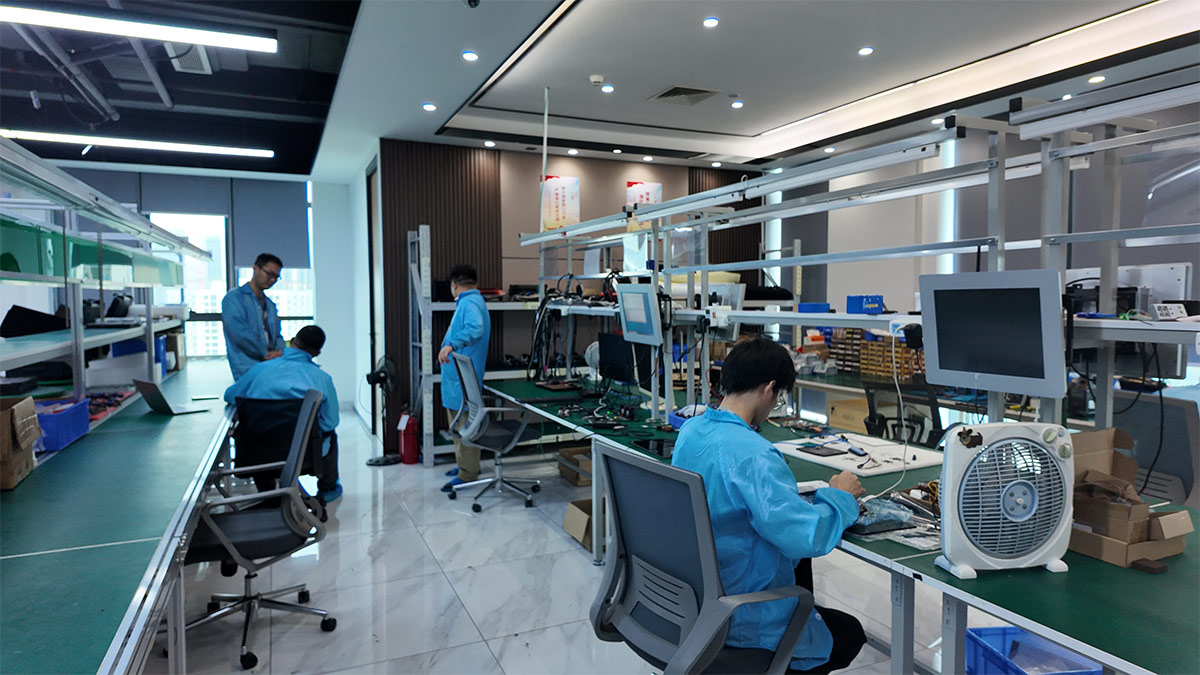
This incident exposed the serious misalignment of some OEM companies (ODM/OEM) in the production execution system (MES) and material life cycle management. "Wrong materials" and "mixed materials" should not be used as excuses for core components to be out of stock. Ruidingtai Information Technology implements strict white-box management and full-link traceability in supply chain quality control:
1. BOM-level material locking: From the engineering BOM at the R&D end to the manufacturing BOM at the production end, strict digital signatures and version locking are implemented to prevent random replacement during the production process.
2. Unique code verification of core components: Every CPU, MCU and key memory chip needs to be compared with the physical silk screen and electronic storage code before entering the SMT (surface mount) production line.
3. In-depth factory verification (FCT/ICT): In addition to conventional power-on tests, our automated tests not only read the surface hardware information of the system, but also cross-verify the actual computing power and architecture of the chip at the physical level through specific instruction set stress tests and bus probes,ensuring that every PCBA delivered to customers does not have any "blind spots."
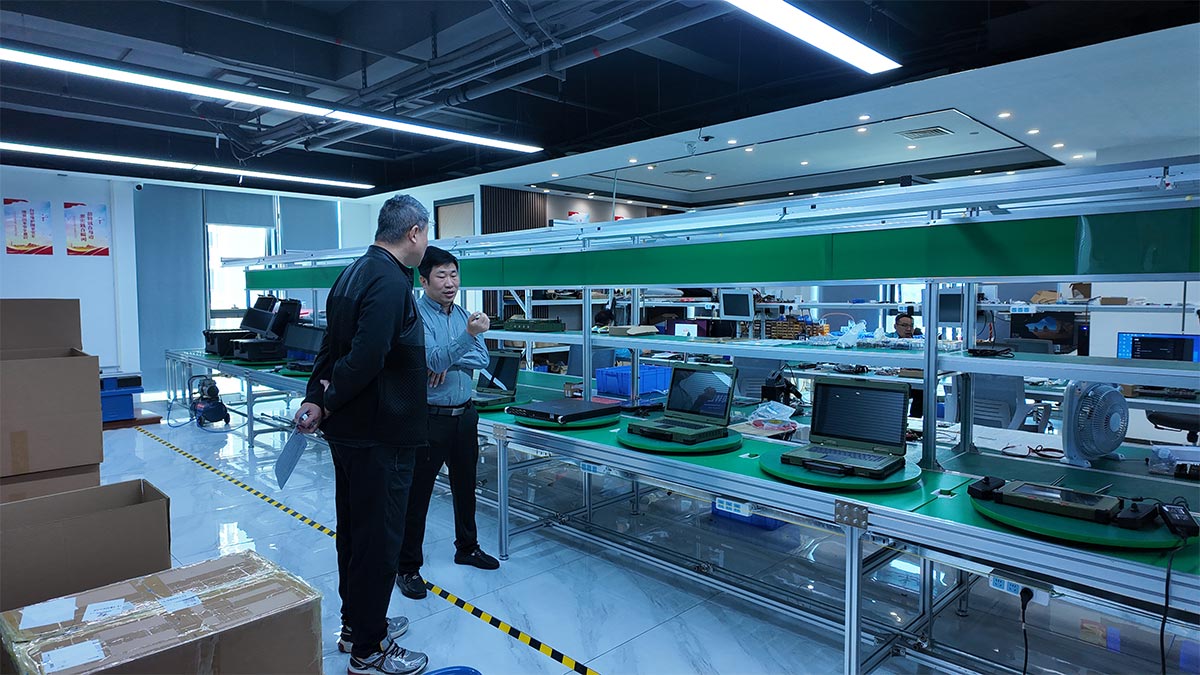
3. Quality requirements for dimensionality reduction attacks: awe derived from harsh application scenarios
Ruidingtai Information Technology's paranoia on hardware compliance stems from our business genes. In addition to conventional electronic products, Ruidingtai Information Technology's hardware solutions have long been used as core computing units, deeply serving unmanned system control, complex machine vision processing terminals, and highly integrated industrial embedded equipment. In these fields with extremely stringent reliability requirements, hardware is more than just numbers on benchmark software. Microsecond-level system interruptions, mismatches in instruction sets, or small fluctuations in computing power may lead to fatal delays in machine vision recognition, or even cause the overall loss of control of the unmanned control system. Shortcuts may bring short-term business benefits, but technology never lies. In the field of electronic hardware, respecting common sense and engineering standards are the only criteria for an enterprise to last forever. Ruidingtai Information Technology will continue to adhere to the transparent, rigorous, and hard-core R&D and manufacturing concepts to provide global partners with solid hardware bases that can withstand underlying anatomy and the test of time.
 WhatsApp
 8613681434749

